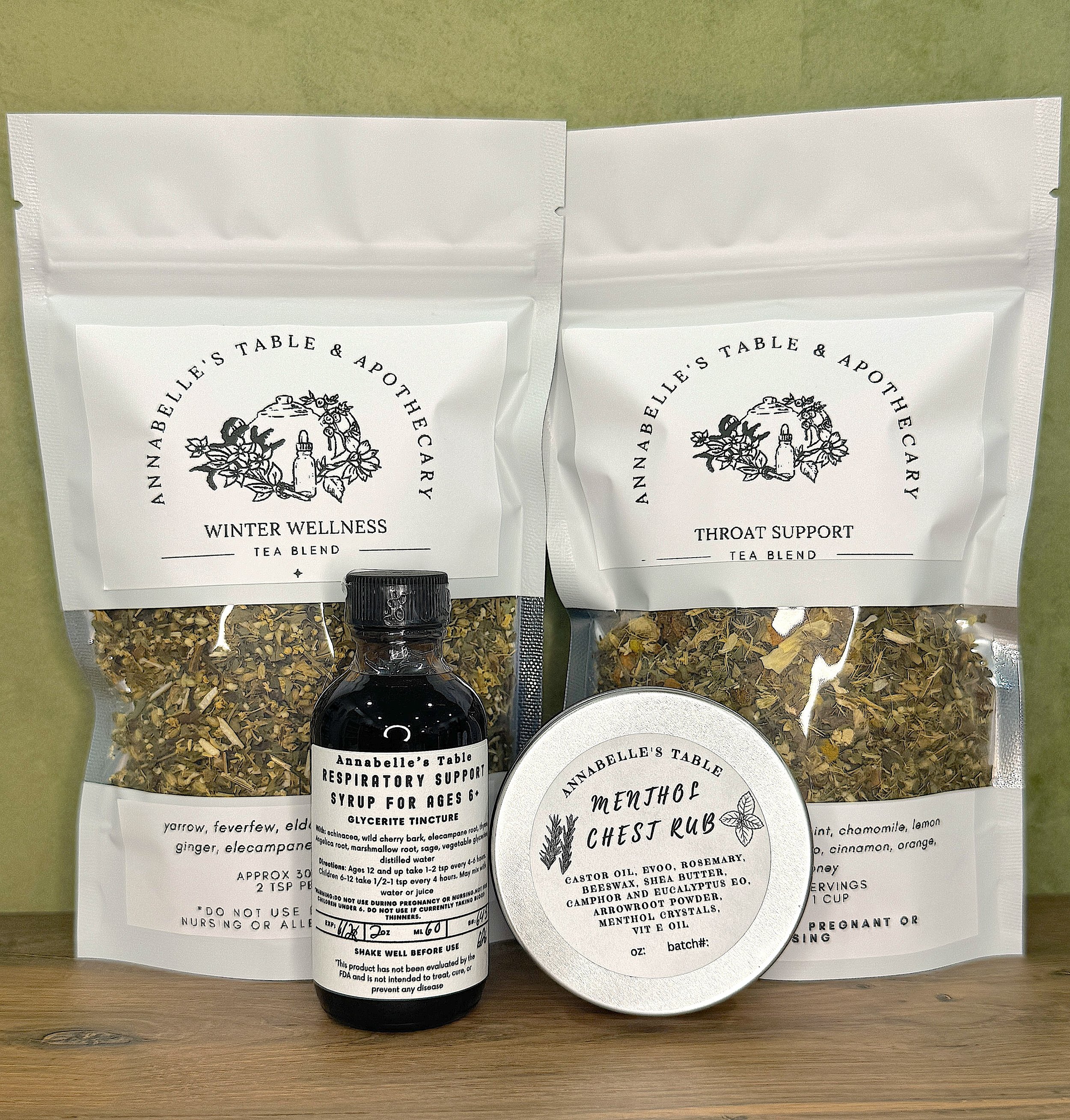
A blend of herbs inspired by traditional seasonal herbal formulas. This alcohol-free glycerite brings together aromatic leaves, earthy roots, and botanicals that each offer their own distinctive beneficial compounds. Prepared with vegetable glycerine for sweet, easy to tolerate taste. Continue reading if you would like to learn more about the ingredients we chose for this blend.
Ingredients: echinacea, wild cherry bark, elecampane root, thyme, angelica root, marshmallow root, sage
Directions: 12 and up : 1-2 tsp every 4-6 hours. Children ages 6-12: ½ to 1 teaspoon (2.5 ml- 5 ml)
Warning: not for children under 6 years of age. do not consume if pregnant or nursing. Do not take if currently using blood thinning prescriptions. Do not if you have allergies to the daisy (asteraceae) family.
Echinacea (Echinacea Purpurea) contains naturally occurring compounds such as caffeic acid derivatives, alkamides, and polysaccharides. It has a long history of use in herbalism, specifically in immunity focused preparations.
Wild Cherry Bark (Prunus Serotina) tannins, phenolic compounds, and cyanogenic glycosides, including prunasin. It has a long history in the herbal world of being used for cough and spasmodic conditions.
Elecampane Root (Inula Helenium) contains naturally occurring sesquiterpene lactones, including alantolactone and isoalantolactone, along with inulin and other potentially beneficial plant constituents. Elecampane root has a long history if being used in herbal preparations intended to support respiratory wellness.
Thyme (Thymus Vulgaris) is an aromatic member of the mint family containing compounds such as thymol, carvacrol, and rosmarinic acid. These constituents contribute to its characteristic fragrance and have been studied for their potential antimicrobial effects.
Angelica Root (Angelica Archangelica) contains coumarins, furanocoumarins, and volatile aromatic compounds. It has a long history in traditional herbal formulas geared towards respiratory support.
Marshmallow Root (Althaea Officinalis) is for its natural mucilage that makes it moisturizing. It contains complex polysaccharides that develop a characteristic slippery texture when hydrated. It has been valued for generations in traditional herbal preparations requiring hydration to various tissues.
Sage (Salvia Officinalis) contains rosmarinic acid, flavonoids, and aromatic constituents such as camphor and thujone. Some of the compounds in sage contain astringent (drying) qualities that are thought to assist with excess moisture in the lungs.
Disclaimer:
These products have not been evaluated by the FDA and are not intended to diagnose, treat, or cure any disease.

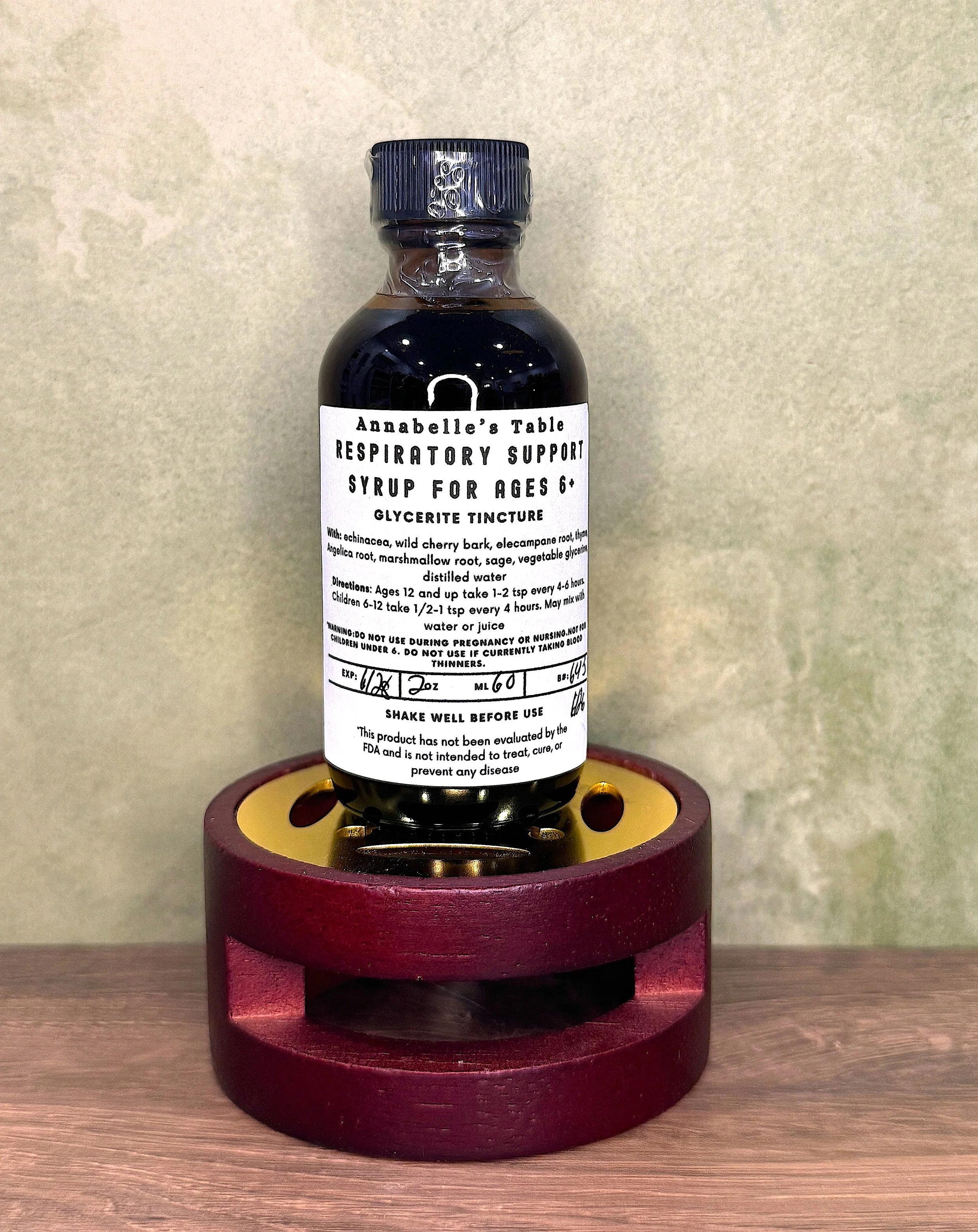 Image 1 of 1