This glycerite tincture is made with a blend of organic herbs that have been historically incorporated into herbal formulas for nausea and motion sickness. Continue reading for more information on each herb and why it was selected for this formula!
Ingredients: earl grey tea, green tea, ginger, peppermint, stinging nettle, ginkgo, chamomile, lemon & orange peel, vegetable glycerine, distilled water.
Directions: Consume ½ dropper every 30 -60 mins while feeling queasy or 20 minutes before traveling to help prevent motion sickness. May mix with water, tea, or juice. Shake well before use.
Warning: this does contain small amounts of caffeine. We recommend avoiding use if you are caffeine sensitive.
Earl Grey Tea: is a distinctive black tea flavored with bergamot citrus. It contains polyphenols, including theaflavins and thearubigins, along with caffeine and L-theanine.
Green Tea (Camellia sinensis): is made from minimally oxidized tea leaves. Green tea contains catechins, particularly epigallocatechin gallate (EGCG), along with L-theanine and caffeine. Its phytochemical profile has attracted considerable scientific interest.
Ginger (Zingiber officinale): a warming herb highly valued around the world in culinary and traditional medicine practices. Ginger contains gingerols and shogaols, groups of phenolic compounds responsible for much of its signature spice.
Peppermint (Mentha × piperita): contains menthol, menthone, and rosmarinic acid. These compounds contribute to peppermint's distinctive cooling sensation and refreshing scent. Peppermint has long been featured in traditional digestive herbal preparations.
Stinging Nettle (Urtica dioica): is a nutrient dense botanical containing flavonoids, including quercetin and kaempferol derivatives, along with phenolic acids and minerals. Historically, nettle is considered a nourishing herb.
Ginkgo Biloba (Ginkgo biloba): contains flavonol glycosides and terpene lactones, including ginkgolides and bilobalide. Ginkgo has a long history in herbal traditions and is widely studied for its phytochemical composition.
Chamomile (Matricaria chamomilla): contains flavonoids, particularly apigenin, along with aromatic compounds such as alpha-bisabolol. Chamomile has traditionally been used in gentle digestive and relaxation formulas.
Lemon Peel (Citrus limon): The outer peel of the lemon contains flavonoids, including eriocitrin and hesperidin, along with fragrant volatile compounds such as limonene. These constituents contribute to its bright citrus aroma.
Orange Peel (Citrus sinensis): contains flavonoids, particularly hesperidin, along with aromatic compounds such as limonene. Orange peel has a long history of use not just in the culinary world, but also in herbal bitters and other botanical preparations.
Packaged in amber colored Boston round dropper bottles for UV light protection. Bottle is shipped with a screw on cap and plastic seal for ultimate leak protection during shipping.
*DISCALIMER*
This product has not been evaluated by the FDA and is not meant to treat, diagnose, prevent, or cure disease.

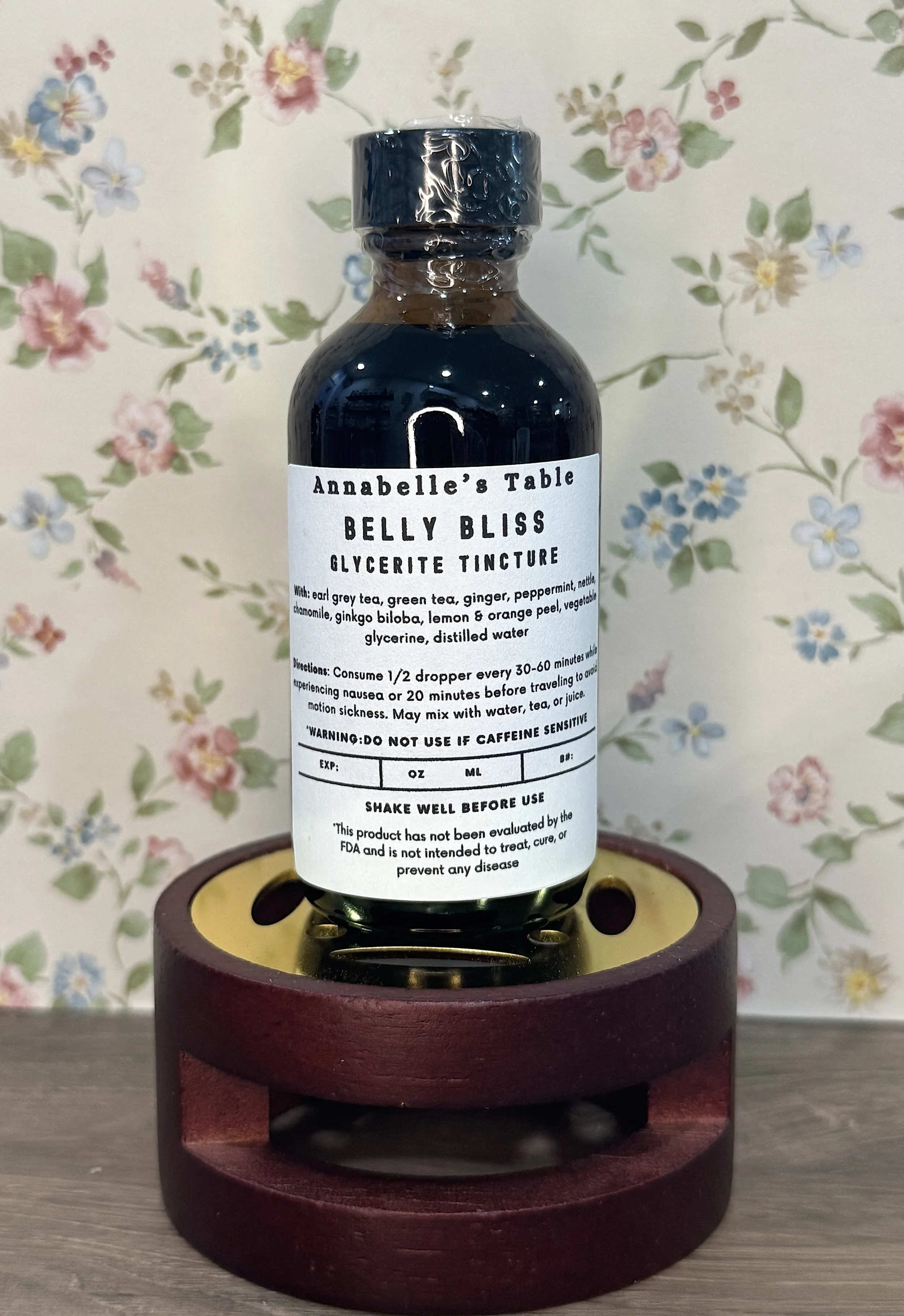 Image 1 of 1