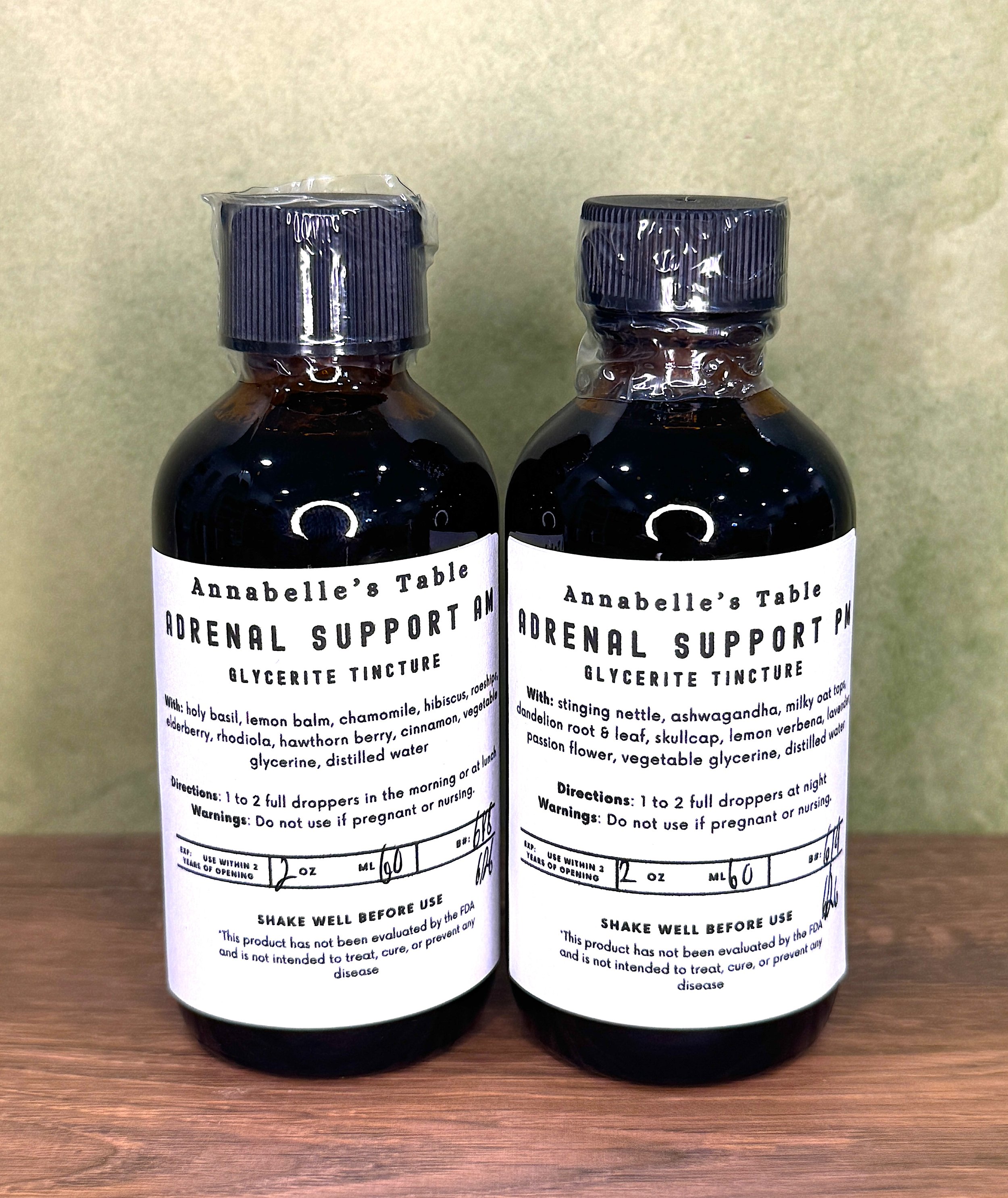
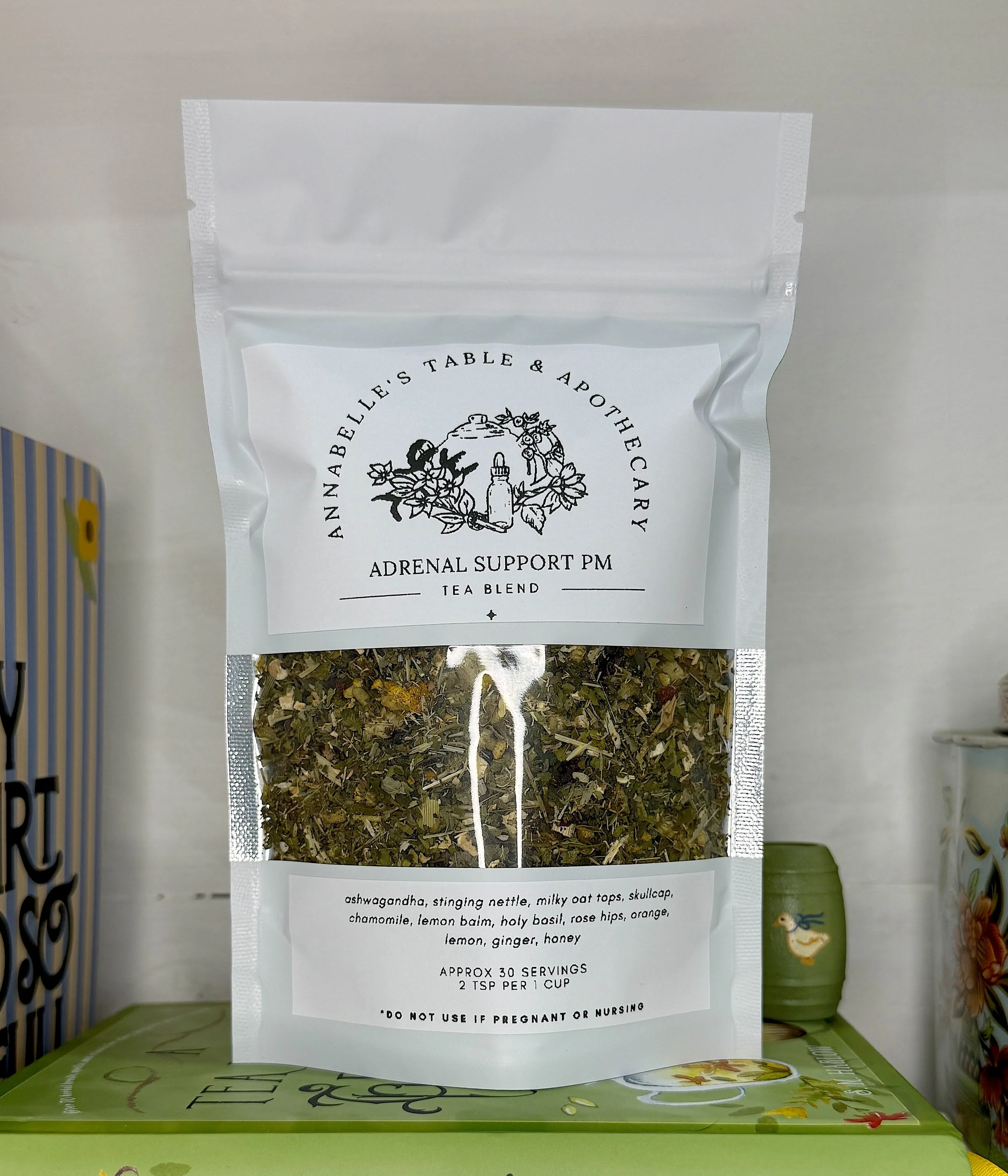
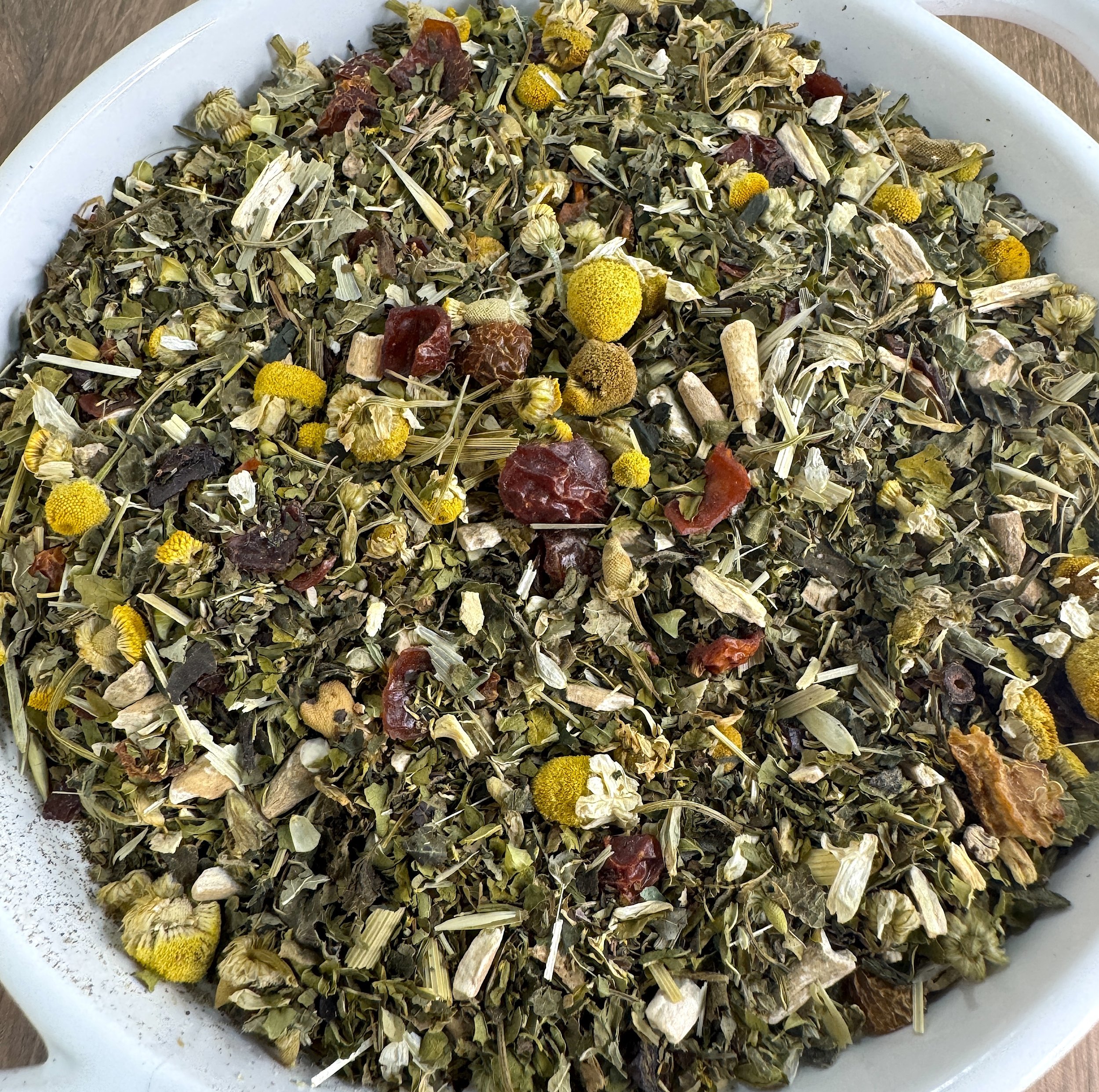
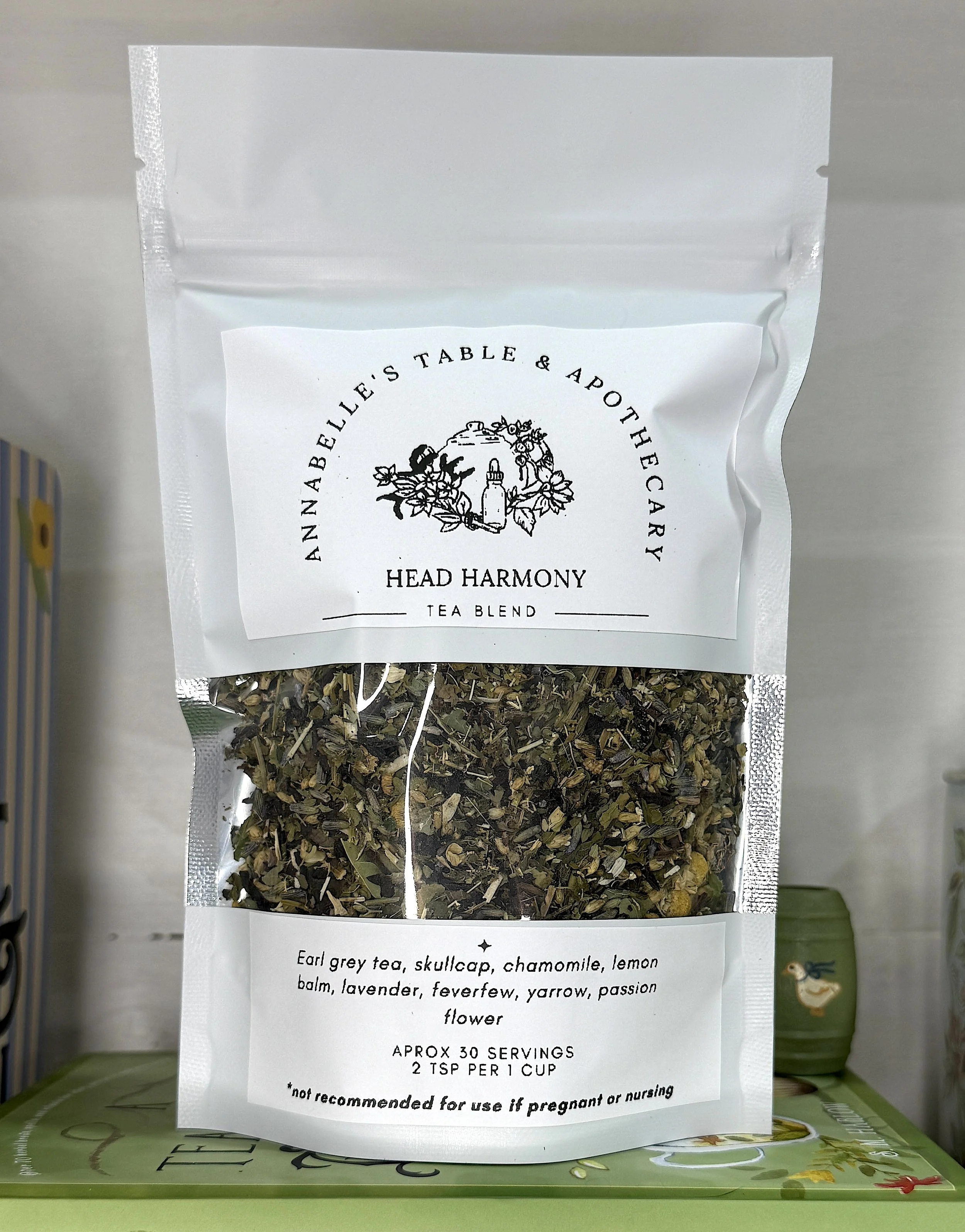
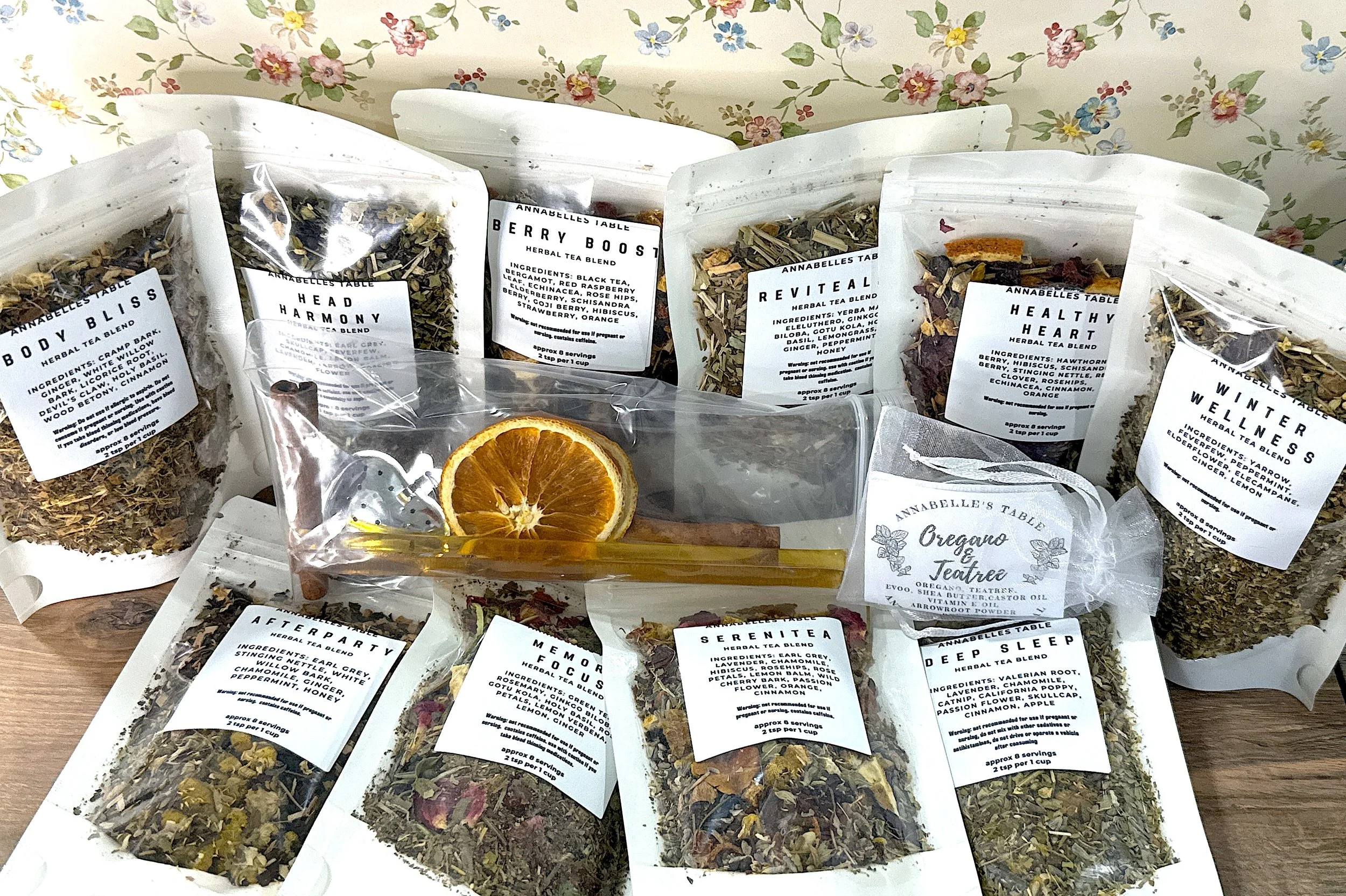
We’ve crafted this duo with the intent to help with adrenal support and balance from morning to night. Our AM blend is stabilizing, and intended to help avoid energy crashes. The PM blend is relaxing, allowing for more restful sleep! These nourishing and adaptogenic herbs are tinctured in sweet vegetable glycerin for an easy taste. Continue reading for more information on each herb we’ve added to the blends and why we selected them! Both tinctures are 2 ounces.
Cortisol Balance AM
Ingredients: holy basil, chamomile, lemon balm, hibiscus, rose hips, elderberry, rhodiola, hawthorn berry, cinnamon
Directions: take 1 to 2 full droppers in the morning or at lunch
Warnings: do not consume if pregnant or nursing
Cortisol Balance PM
Ingredients: stinging nettle, ashwagandha, milky oat tops, dandelion leaf & root, skullcap, lemon verbena, lavender, passion flower
Directions: take 1 to 2 full droppers about an hour before bed
Warnings: do not consume if pregnant or nursing. Use with caution if you are prescribed sedative medications. Stop this tincture at least 2 weeks prior to surgery, use with caution if driving.
AM blend:
Tulsi/Holy Basil (Ocimum sanctum) Tulsi contains naturally occurring compounds such as rosmarinic acid, eugenol, and various flavonoids and has a long history of use in herbal adaptogenic preparations.
Lemon Balm (Melissa officinalis) This fragrant member of the mint family contains rosmarinic acid, flavonoids, and aromatic compounds such as citral and citronellal. It has long been used in herbal preparations associated with relaxation and everyday balance.
Chamomile ( Matricaria Recutita) A delicate, daisy-like flower containing flavonoids such as apigenin and aromatic compounds including bisabolol. Chamomile is traditionally associated with tranquility, relaxation, and general botanical wellness.
Hibiscus (Hibiscus-rosa sinensis) Known for its vibrant crimson color and pleasantly tart character, hibiscus contains anthocyanins, organic acids, and other polyphenols.
Rosehips (Rosa canina) are packed with antioxidants and vitamin c!
Elderberry (Sambucus, L) like rose hips, elderberry is antioxidant and vitamin c rich.
Rhodiola (Rhodiola rosea) A hardy flowering plant native to cold, mountainous regions, rhodiola contains compounds such as rosavins and salidroside. It’s been traditionally valued as a stimulating adaptogen in herbal formulations associated with resilience and vitality.
Hawthorn Berry (Crataegus monogyna) The small fruits of the hawthorn tree contain naturally occurring flavonoids, including hyperoside, along with procyanidins and other polyphenols. Hawthorn has a long history of use in cardiovascular health herbal preperations.
Cinnamon (Cinnamomum verum) A warming, aromatic spice containing compounds such as cinnamaldehyde and various polyphenols. Cinnamon is more than just delicious! It’s been appreciated in the world of herbalism for centuries as a general heart and vascular tonic.
PM blend:
Stinging Nettle (Urtica dioica, L) is a nutrient rich herb containing flavonoids such as quercetin and kaempferol, along with phenolic acids and minerals.
Ashwagandha (Withania somnifera) is a prominent botanical in Ayurvedic herbalism. Ashwagandha contains steroidal lactones known as withanolides, including withaferin A. It has a long history of use in traditional adaptogenic formulas associated with both balance and resilience.
Milky Oat Tops (Avena sativa) Harvested during the milky stage of oat seed development, these tender oat tops contain various phenolic compounds, including avenanthramides, as well as other naturally occurring plant constituents. Milky oat tops have traditionally been used in gentle, nourishing herbal preparations.
Dandelion Root/Leaf (taraxacum) leaves contain flavonoids and phenolic acids, while the roots contain inulin, sesquiterpene lactones, and other bitter compounds. ‘Bitter’ herbs are thought to stimulate digestion and other cleansing actions in the body.
American Skullcap (Scutellaria L,) contains flavonoids, including baicalin, baicalein, and scutellarin. Traditionally appreciated as a nervine herb, it has long been incorporated into herbal formulas associated with relaxation and tranquility.
Lemon Verbena (Aloysia citrodora) An aromatic herb known for its bright, citrus-like fragrance, lemon verbena contains phenylpropanoid glycosides, particularly verbascoside, along with flavonoids and fragrant volatile compounds. It has traditionally been appreciated in relaxing herbal infusions.
Lavender (Lavandula, Sp,) A fragrant flowering herb containing aromatic compounds such as linalool and linalyl acetate, which contribute to its distinctive floral scent. Lavender has been associated with tranquility, relaxation, and easing sleep or centuries.
Passion Flower (Passiflora incarnata) A climbing vine with intricate blossoms, passion flower contains naturally occurring flavonoids such as vitexin, isovitexin, and orientin. It has a long history of use in herbal formulas associated with tranquility and unwinding.
DISCLAIMER
These products have not been evaluated by the FDA and are not intended to treat, diagnose, or cure disease.

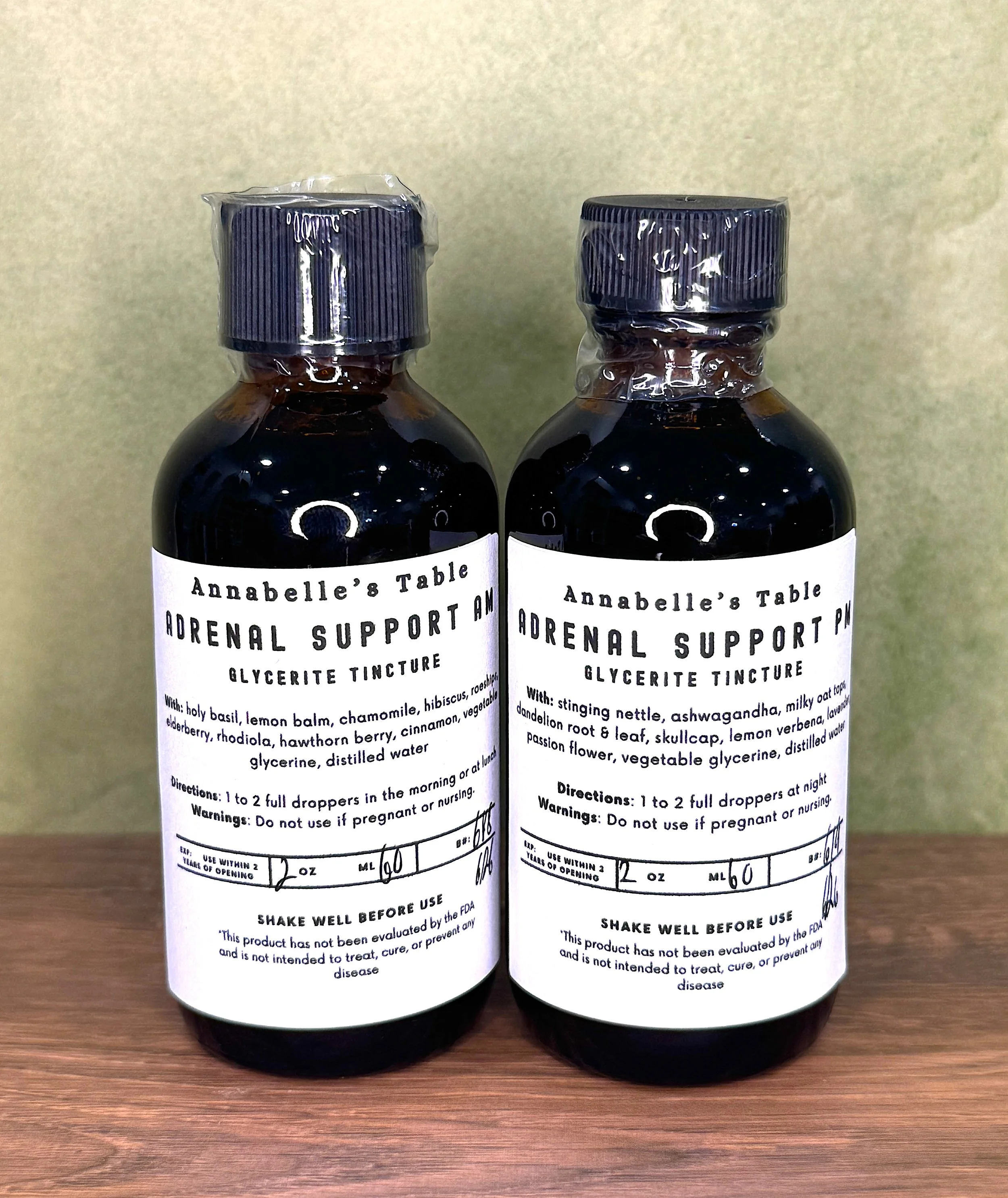 Image 1 of 2
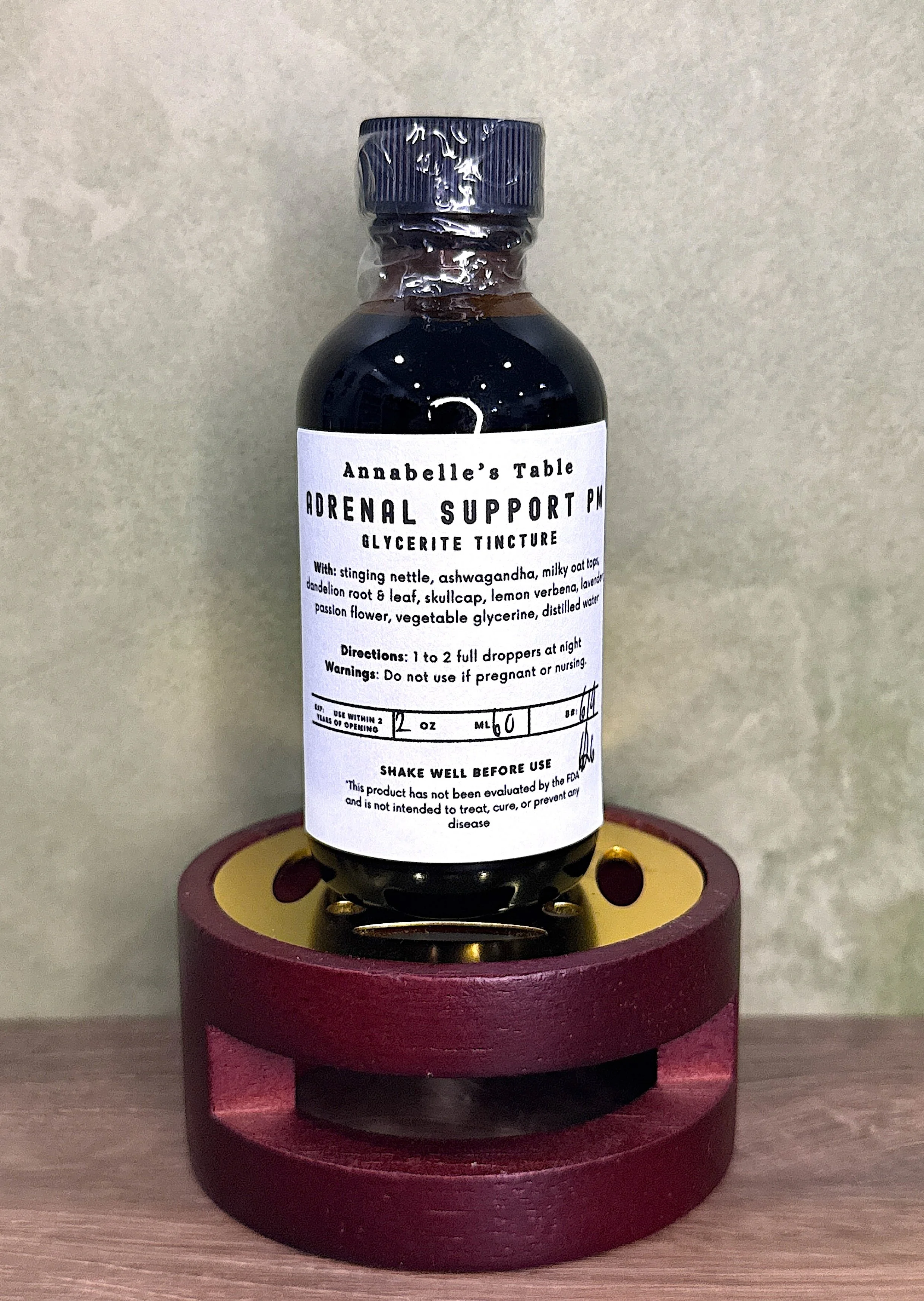 Image 2 of 2